How to Properly Dry Carpet After Water Damage to Prevent Mold
Water damage in a home or business is stressful enough on its own. But what follows - the hidden mold growth, the musty smell, the potential for structural issues - can turn a bad situation into a long-term headache. One of the most critical steps in any water damage restoration job is knowing how to properly dry carpet after water damage. Get it right and you save yourself from mold remediation headaches down the road. Get it wrong and you might be looking at a full rip-out and subfloor replacement.
I have seen this play out dozens of times. A pipe bursts, a basement floods, or a roof leak goes unnoticed for a few days. The homeowner pulls out the wet furniture, runs a fan, and thinks the carpet will dry on its own. A week later there is a smell. Two weeks later there is visible mold along the baseboards. By then the problem has moved into the padding and the subfloor. What started as a straightforward water damage restoration job turns into a mold inspection and mold remediation project that costs three times as much.
The window for effective action is short. Mold spores are everywhere in the environment. They only need moisture and a food source - carpet fibers, dust, adhesive - to start colonizing. Within 24 to 48 hours under the right conditions, mold can begin to grow. That means your plan to dry carpet after water damage needs to start immediately, not when you get around to it.
Assess the Source and Category of Water
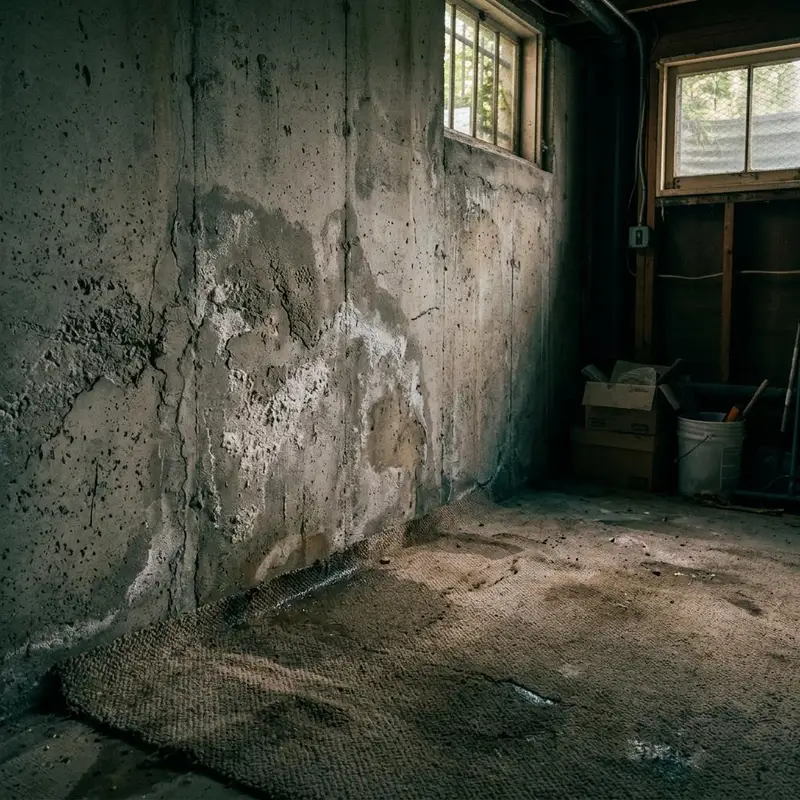
Before you start moving equipment in, you need to know what kind of water you are dealing with. Clean water from a burst supply line is one thing. Gray water from a washing machine overflow or black water from a sewage backup is an entirely different category. If the water is contaminated, you are looking at a biohazard cleanup situation. In that case, the carpet and padding often need to be removed and disposed of rather than dried and saved. A professional water damage restoration team will test for contaminants and make that call early.
For clean water scenarios, the goal is to extract as much moisture as possible before it wicks into the padding and subfloor. That is where the equipment list gets specific.
Extract First, Dry Second
Most people reach for a fan or a dehumidifier first. That is a mistake. Air movement alone will not pull water out of carpet padding. You need to remove the bulk water mechanically before you can effectively dry the carpet.
A wet vacuum is the right tool for this job. It pulls water from deep in the fibers and the padding below. You work in sections, overlapping passes, until the wet vacuum pulls up minimal moisture. I have seen a homeowner use a shop vacuum designed for dry debris and end up soaking the padding further because the vacuum pushed water deeper into the carpet before sucking it out. A true wet vacuum has a separate tank and a squeegee attachment that lifts water without forcing it down.
After extraction, the carpet drying process shifts to evaporation and airflow. This is where the combination of an air mover and a dehumidifier becomes essential.
Create the Right Drying Environment
An air mover is not the same as a box fan. An air mover is designed to create high-velocity airflow across the floor surface. You aim it along the length of the carpet, not straight down, so it pulls moisture out of the fibers and moves it toward the dehumidifier intake. The dehumidifier pulls the moisture out of the air so it does not re-condense on the carpet or other surfaces.
If the room is closed off, you can create a drying tunnel effect. Place the air mover at one end of the room blowing across the carpet, and the dehumidifier at the opposite end. This setup creates a continuous flow of dry air over the wet surface. In large commercial spaces, you might need multiple air movers and commercial-grade dehumidifiers. In a residential room, one of each can be enough if you are patient and the water damage is not severe.
Temperature also matters. Cooler air holds less moisture, so drying happens faster in warm conditions. But do not use heat guns or space heaters pointed directly at the carpet. That can scorch synthetic fibers or cause the backing to delaminate. Keep the room at a comfortable room temperature - around 70 to 75 degrees Fahrenheit - and let the dehumidifier do the work.
Monitor Moisture Levels in the Carpet and Subfloor
You cannot tell if the carpet is dry just by touch. The surface can feel dry while the padding and subfloor underneath are still soaked. A moisture meter is the only reliable way to know when the carpet and subfloor are truly dry. These meters measure the moisture content in materials and give you a numeric reading. For carpet and padding, you want readings below 15 percent before you consider the job done.
I have been on jobs where the homeowner thought the carpet was dry after three days of fans running, but a moisture meter showed the subfloor still at 30 percent moisture content. That kind of hidden moisture leads to dry rot in wood subfloors over time and creates a perfect breeding ground for mold spores. A professional mold inspection would catch that, but by then the damage is already underway.
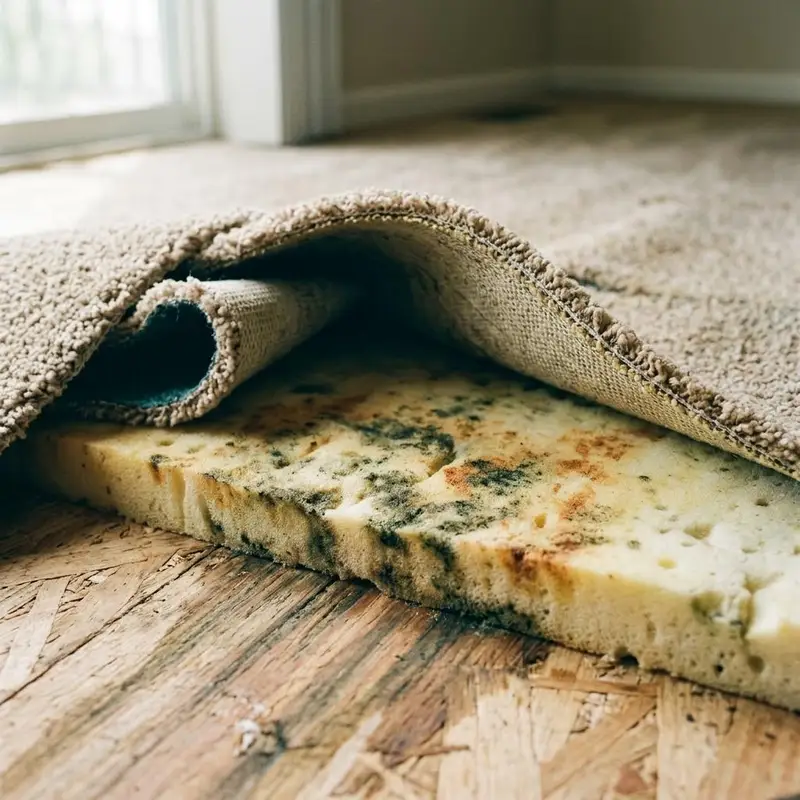
If the subfloor is wet, you need structural drying. That might mean lifting the carpet in sections and using air movers directed underneath. In some cases, the padding has to be removed and replaced even if the carpet itself can be saved. The padding acts like a sponge and is often the first thing to harbor mold growth.
Clean and Treat the Carpet After Drying
Once the carpet is dry, the job is not finished. Water damage leaves behind more than moisture. Dirt, bacteria, and organic material that were in the water or already in the carpet can create odors and health concerns. A thorough carpet cleaning with a disinfectant is the next step. Use a cleaner that is labeled for use on carpets and effective against the types of bacteria and mold spores common in water damage scenarios.
After cleaning, an antimicrobial treatment can be applied. These treatments create a barrier on the carpet fibers that resists future mold and bacterial growth. They are not a substitute for proper drying, but they add an extra layer of protection, especially in basements or other areas prone to humidity.
A HEPA vacuum is a good final step. After everything is dry and clean, vacuum the entire area with a HEPA vacuum to pick up any mold spores or dust that may have settled during the drying process. This is especially important if anyone in the building has allergies or respiratory issues.
When to Call in Professionals
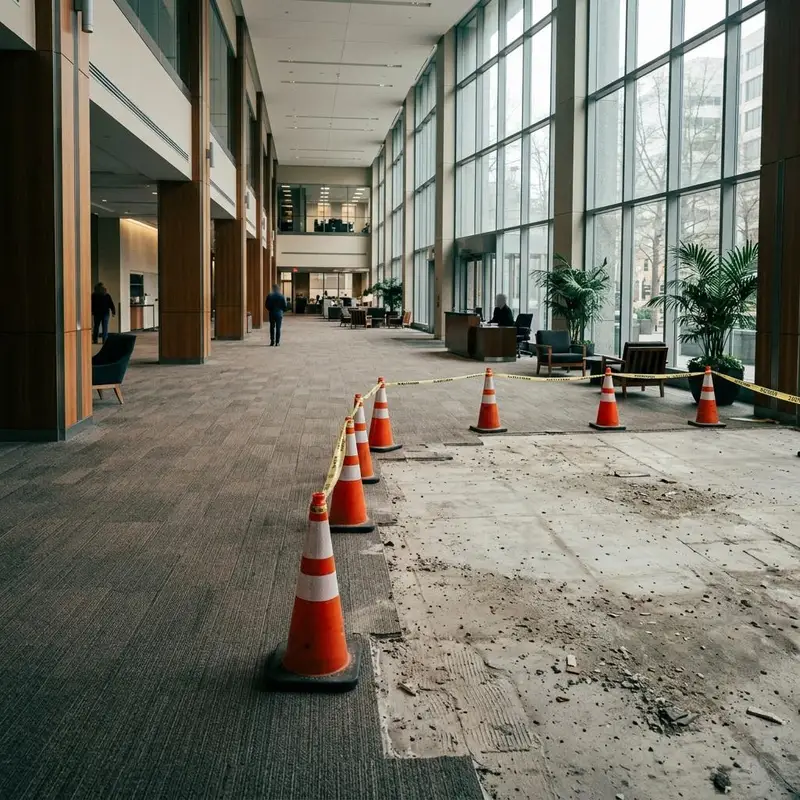
There are situations where a DIY approach is fine. A small spill that is caught within a few hours, dried with towels and a fan, and monitored with a moisture meter - that is manageable. But when the water damage covers a large area, has been sitting for more than 24 hours, or involves contaminated water, it is time to call in a professional water damage restoration company. Certified technicians who follow IICRC standards know how to assess the extent of the damage, what equipment to use, and when the carpet cannot be saved.
They also handle the mold inspection and mold remediation side of things. If you have any suspicion that mold has started to grow, do not try to clean it yourself. Disturbing mold colonies releases mold spores into the air, which can spread the problem to other areas of the building and create health risks. Professionals use containment protocols, negative air pressure, and HEPA filtration to prevent cross-contamination.
Another reason to call in a professional is for the insurance claim process. Most insurance policies cover water damage restoration when it is handled by a licensed and certified company. The documentation they provide - moisture meter readings, drying logs, photos of the process - can make the difference between a claim being approved or denied. If you handle it yourself without proper documentation, the insurance company may question whether the carpet was actually dried properly.
Long-Term Prevention
Once the immediate crisis is over, think about what caused the water damage in the first place. Was it a plumbing failure, a roof leak, poor drainage, or high humidity? Addressing the source reduces the chance of it happening again. In areas prone to moisture, consider running a dehumidifier regularly, especially in basements and crawl spaces. Have the HVAC system inspected to make sure it is not introducing excess moisture into the building.
Regular carpet cleaning and maintenance also help. Dirt and debris hold moisture, so clean carpets dry faster and are less likely to support mold growth. If you have had water damage before, it is worth having a professional mold inspection done every year or two, just to catch any hidden problems early.
The whole process of dealing with water damage is a race against time. The faster you act, the better your chances of saving the carpet and avoiding mold. But speed alone is not enough. You need the right approach, the right equipment, and the willingness to check that the job is truly done. Knowing how to dry carpet after water damage correctly is not just about saving the carpet. It is about protecting the building and the people in it from the long-term effects of hidden moisture.